
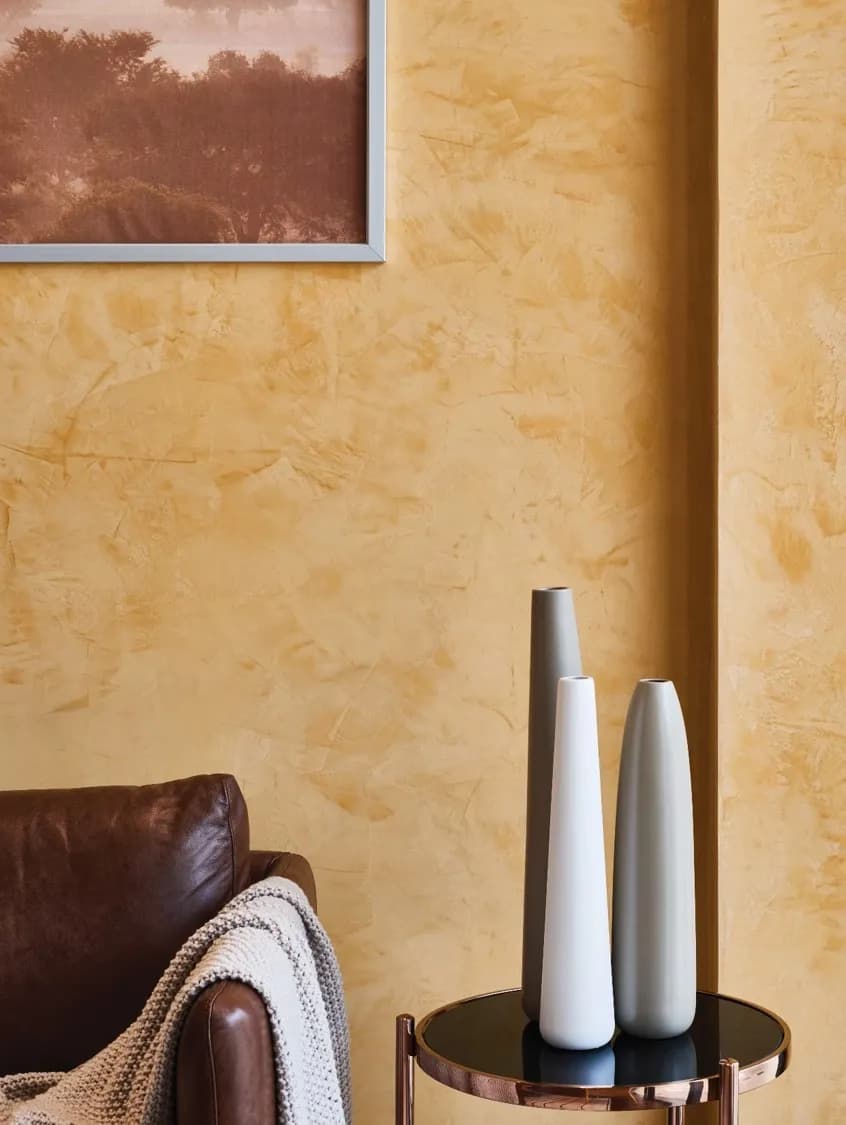
VENETIAN PLASTER
Venetian plaster is also known by several other names, such as marble plaster, Italian plaster, lime-based plaster and polished plaster. Whichever name you know it by, you can't deny that this particular finish on walls and ceilings is spectacular to look at.
Why look at boring, plain walls when you can have Venetian plaster, which is not only beautiful to look at, but also features plenty of benefits? Let's dive into all there is to know about Venetian plaster.

HISTORY & ORIGINS
If we want to get specific, Venetian plaster has existed almost since the beginning of the earth. In fact, historians have traced it as far as the first century A.D. to Mesopotamian times. Though it probably was quite different from what Venetian plaster is today after undergoing several improvements, limestone (the base for lime putty, Venetian plaster's main ingredient) is as old as the earth itself.
Ancient Greece and Egypt both used lime-based plasters in their buildings, and it really blew up in times of the Roman Empire, where this lime-based plaster was largely used to imitate natural stone surfaces within palazzos, villas, and cathedrals. Later on during the Italian Renaissance, it surged in popularity again for interior and exterior home decoration.
FUN FACT
Several famous artworks, such as Michelangelo's Sistine Chapel, were created in a similar method to Venetian plaster, called Fresco. Frescos are mural paintings done on freshly laid wet, lime plaster.
Venetian plaster got its name from Venice, Italy, where they largely used it to create a marble effect, yet keep their buildings somewhat watertight.
Marmorino, a variation of Venetian plaster, was extensively used in the area of Veneto itself, in Venice. Venetian plaster clearly goes a long way back, even though the name wasn't coined till recent times, and though it was primarily used for building purposes back then, today it is used widely for its aesthetic value, mainly as decorative wall finishes.
TEXTURE
& FINISH
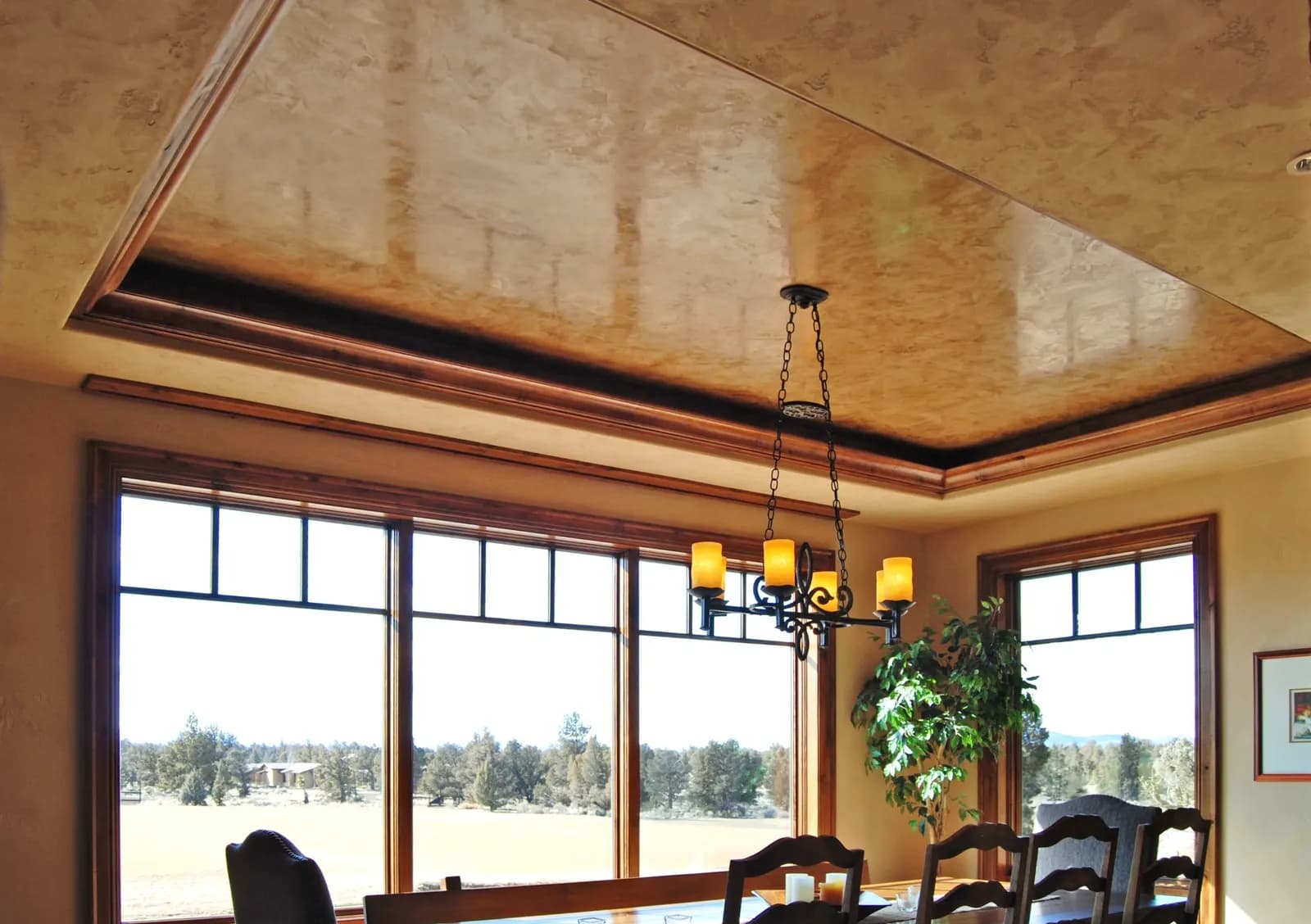
As Venetian plaster can contain up to 40% marble dust, it can be polished up to a high sheen. It's actually a durable material, and it gets stronger with time.
What happens is that Venetian plaster is applied in many thin layers using a variety of methods, and then burnished to create a smooth, polished surface.
The result is a marble-lous polished plaster finish that creates the illusion of depth and texture, creating a soft, earthy vibe incomparable to other surface finishes.
Venetian plaster is also versatile where it can feature a rock-hard, marble-like finish befitting its ingredient, and can also be coloured or tinted using both natural and synthetic colourants to create colours that you desire.
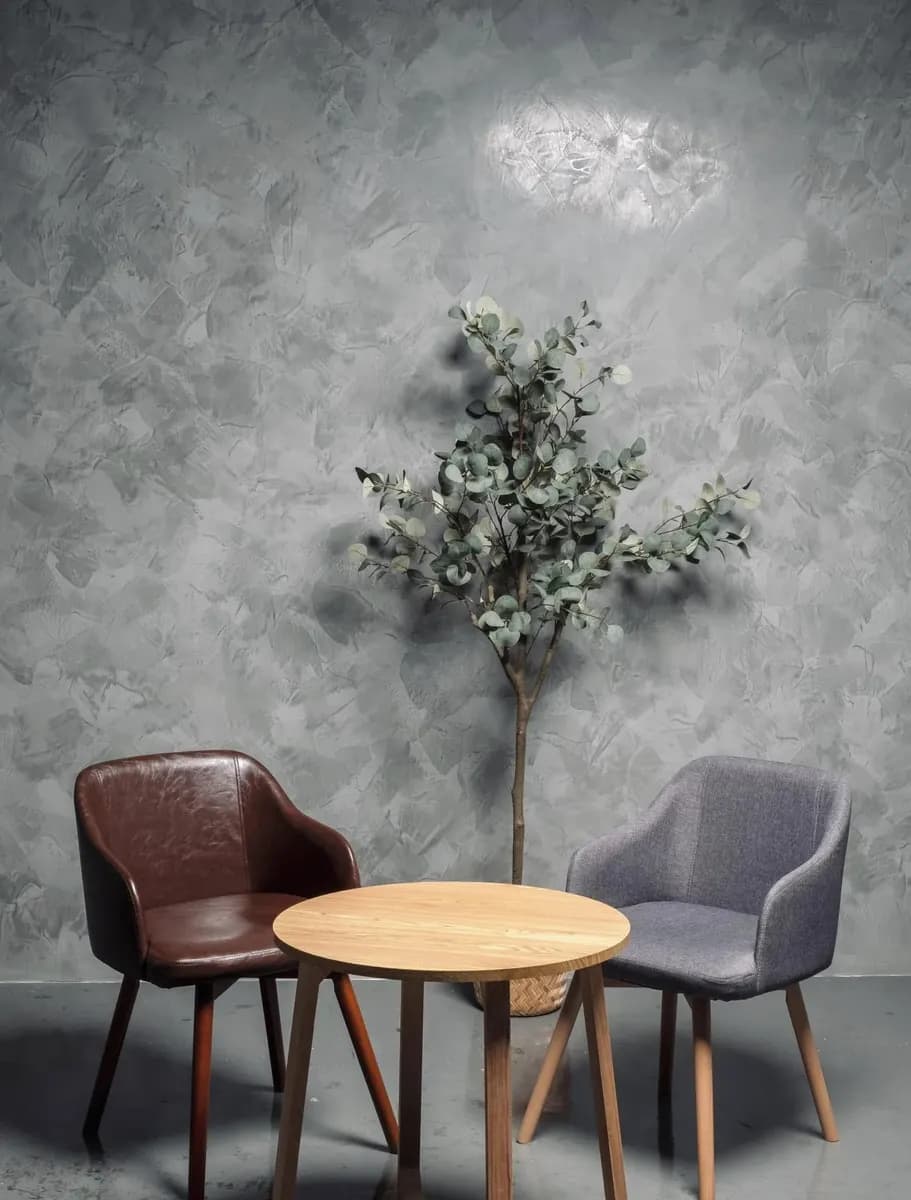
And voilà! You now have a decorative wall that swirls with texture and is beautiful to look at.
BENEFITS

Absorbs CO2 & Return to Limestone

Natural Fungicide (Mould & Mildew Resistant)

Alkaline Nature (High pH Level)

Low Maintenance

Optional Wax Layer (Extra Dirt Protection)

Lifetime Finish (Incredibly Durable)

Less Prone to Cracking & Shrinking